Understanding Liability Coverage in Car Insurance
So, you're diving into the world of car insurance, huh? Awesome! It can seem like a jungle of jargon and confusing terms, but trust me, it's not as scary as it looks. One of the most important things to wrap your head around is liability coverage. It's basically the foundation of your protection on the road.
What is Liability Car Insurance Coverage and Why Do I Need It?
Think of liability coverage as your financial safety net if you cause an accident. It covers the costs if you're at fault and someone else gets injured or their property gets damaged. We're talking about things like:
- Medical bills: If the other driver or their passengers get hurt.
- Car repair costs: To fix their vehicle, or replace it if it's totaled.
- Lost wages: If they can't work because of their injuries.
- Pain and suffering: Compensation for the emotional distress they've experienced.
- Legal fees: If you get sued (yikes!).
Without liability coverage, you'd be on the hook to pay for all of these things out of your own pocket. And believe me, those costs can add up fast. Imagine causing a serious accident with multiple injuries – you could be facing hundreds of thousands of dollars in expenses. That's why liability coverage is not just a good idea, it's usually legally required.
Digging Deeper into Bodily Injury Liability Car Insurance Coverage
Bodily injury liability coverage specifically covers injuries to other people. It's usually expressed as two numbers, like "100/300." What does that mean? Let's break it down:
- The first number (100 in this example) is the maximum amount your insurance company will pay for injuries to one person in an accident. So, if one person's medical bills and other expenses total $150,000, your insurance will only cover $100,000, and you'd be responsible for the remaining $50,000.
- The second number (300 in this example) is the maximum amount your insurance company will pay for injuries to all people injured in an accident. So, even if there are multiple people injured, your insurance will only pay out a maximum of $300,000 total.
Choosing the right amount of bodily injury liability coverage is crucial. You want to make sure you have enough to cover potential injuries without leaving yourself financially vulnerable.
Property Damage Liability Car Insurance Coverage Explained
Property damage liability covers damage to someone else's property, most commonly their car. It also covers damage to other things like fences, buildings, or even lampposts. This coverage is usually expressed as a single number, like "$50,000." This is the maximum amount your insurance company will pay for property damage in an accident you cause.
Think about how much it costs to repair or replace a new car. Even a minor fender-bender can result in thousands of dollars in damage. And if you total someone's luxury car, you could be looking at a much larger bill. Again, choosing the right amount of coverage is key.
How Much Liability Car Insurance Coverage Do I Really Need? Considering State Minimums
Most states have minimum liability insurance requirements. These are the lowest amounts of coverage you're legally allowed to have. While it might be tempting to just get the bare minimum to save money, it's almost always a bad idea. State minimums are often woefully inadequate to cover the costs of a serious accident.
Think about it this way: if you only have the state minimum and you cause an accident that results in significant injuries and property damage, you'll be personally responsible for paying the difference. That could mean your savings, your assets, and even your future income could be at risk.
A good rule of thumb is to get as much liability coverage as you can reasonably afford. Experts often recommend at least 100/300/100 (meaning $100,000 per person, $300,000 per accident for bodily injury, and $100,000 for property damage). If you have significant assets to protect, you might even consider getting higher limits or adding an umbrella policy (which provides an extra layer of liability coverage). Talk to an insurance agent to figure out what's right for you.
Understanding Policy Limits and Claim Settlements in Liability Car Insurance
Let's say you have a policy with 100/300/50 limits. You cause an accident where one person is injured and their medical bills total $120,000. Their car is also totaled, with a value of $60,000. Here's how your insurance would likely handle the claim:
- Bodily Injury: Your policy would pay the maximum of $100,000 towards the injured person's medical bills. You would be responsible for the remaining $20,000.
- Property Damage: Your policy would pay the maximum of $50,000 towards the cost of replacing their car. You would be responsible for the remaining $10,000.
This example highlights the importance of having adequate coverage limits. If you had lower limits, you would be responsible for even more of the costs.
Factors Affecting the Cost of Liability Car Insurance: Age, Driving Record, and More
Several factors influence the cost of your liability insurance premiums, including:
- Age: Younger drivers typically pay more because they're statistically more likely to be involved in accidents.
- Driving record: If you have a history of accidents or traffic violations, your premiums will be higher.
- Location: Insurance rates vary depending on where you live. Areas with higher traffic density and accident rates tend to have higher premiums.
- Type of car: The type of car you drive can also affect your rates.
- Coverage limits: Higher coverage limits mean higher premiums.
- Deductible: While liability coverage doesn't typically have a deductible (that's more common with collision and comprehensive coverage), your overall insurance package and any bundled discounts can impact your liability premium.
You can often lower your premiums by maintaining a clean driving record, shopping around for quotes from different insurance companies, and taking advantage of discounts.
Comparing Different Car Insurance Companies and Their Liability Coverage Options: A Quick Review
Okay, so who should you go with? This isn't a one-size-fits-all answer, but let's look at a few big players and what they generally offer. Remember to get quotes from several companies because prices can vary wildly!
- State Farm: Known for its local agent network and generally good customer service. They offer a range of liability coverage options and discounts.
- GEICO: Famous for its catchy commercials and competitive prices. They're often a good choice for drivers with good driving records.
- Progressive: Offers a "Name Your Price" tool, which lets you see what coverage options are available within your budget. They also have accident forgiveness in some states.
- Allstate: Another well-established company with a wide range of coverage options and discounts. They're known for their strong financial stability.
Disclaimer: Prices and coverage options can change. This is just a general overview, and you should always get personalized quotes and read the policy documents carefully before making a decision.
Real-World Scenarios and Examples of Liability Car Insurance in Action
Let's make this real with some examples:
- Scenario 1: You accidentally rear-end another car at a stoplight. The other driver suffers whiplash and their car has $3,000 in damage. Your liability coverage would pay for their medical bills and car repairs (up to your policy limits).
- Scenario 2: You run a red light and T-bone another car. The other driver is seriously injured and their car is totaled. Your liability coverage would pay for their medical bills, lost wages, pain and suffering, and the cost of replacing their car (again, up to your policy limits). This is a situation where having high liability limits is crucial.
- Scenario 3: You're backing out of a parking space and hit a parked car, causing minor damage. Your liability coverage would pay for the repairs to the other car.
These are just a few examples, but they illustrate how liability coverage can protect you from significant financial losses in a variety of situations.
Specific Product Recommendations and Comparisons for Liability Car Insurance
Instead of specific "products" (because car insurance isn't really a product in the traditional sense), let's talk about different levels of coverage and how they compare, along with some estimated costs. Remember these are just estimates and your actual cost will depend on your individual circumstances.
- State Minimum Coverage (e.g., 25/50/25): This is the cheapest option, but offers the least protection. It might cost around $500-$800 per year. Not recommended unless you absolutely can't afford anything else.
- Moderate Coverage (e.g., 50/100/50): A step up from the minimum, offering better protection, but still potentially leaving you vulnerable. Might cost around $800-$1200 per year.
- Good Coverage (e.g., 100/300/100): A solid choice for most drivers, providing a good balance between cost and protection. Might cost around $1200-$1800 per year.
- High Coverage (e.g., 250/500/250 or higher): Offers the best protection, but also the most expensive. Might cost around $1800-$2500+ per year. Recommended if you have significant assets to protect.
Umbrella Policy: This is an extra layer of liability coverage that kicks in after your car insurance limits are exhausted. It can provide millions of dollars in additional protection. An umbrella policy typically costs a few hundred dollars per year.
Liability Car Insurance: Usage Scenarios and Best Practices for Different Drivers
The best liability coverage for you depends on your individual circumstances:
- Young drivers: Need to be especially careful about getting adequate coverage, as they're more likely to be involved in accidents. Consider higher limits and accident forgiveness options.
- Drivers with a history of accidents or traffic violations: May need to shop around for the best rates, as some companies may charge significantly higher premiums.
- Drivers with significant assets: Should consider high liability limits and an umbrella policy to protect their assets in case of a serious accident.
- Low-mileage drivers: May be able to save money with usage-based insurance, which charges premiums based on how much you drive.
- Safe drivers: Should take advantage of discounts for good driving records.
Tips for Saving Money on Liability Car Insurance Without Sacrificing Coverage
Here are a few tips for saving money on car insurance without skimping on coverage:
- Shop around: Get quotes from multiple insurance companies.
- Increase your deductible (on collision and comprehensive coverage): This will lower your overall premiums.
- Maintain a clean driving record: Avoid accidents and traffic violations.
- Take advantage of discounts: Ask about discounts for good students, safe drivers, military personnel, etc.
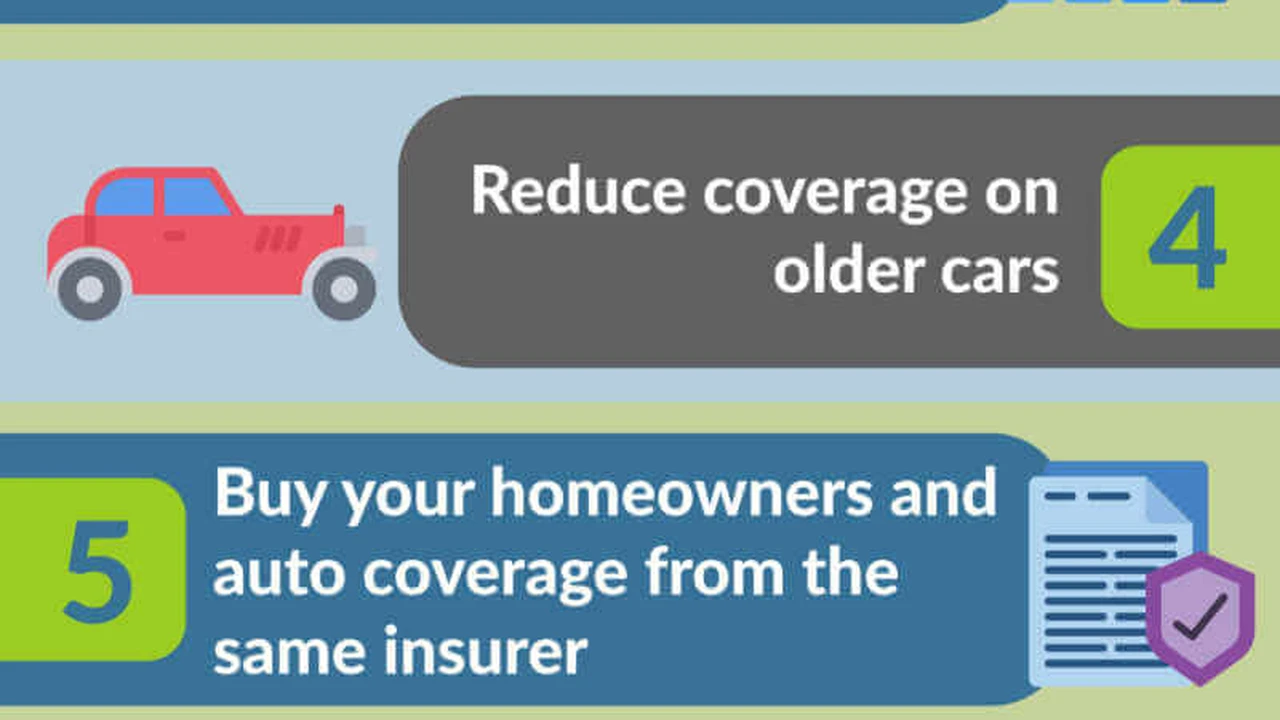
- Bundle your insurance: Get your car and home insurance from the same company.
- Review your coverage annually: Make sure you're not paying for coverage you don't need.
Ultimately, understanding liability coverage is all about protecting yourself financially. Take the time to research your options, talk to an insurance agent, and choose the coverage that's right for you. Drive safe!
:max_bytes(150000):strip_icc()/277019-baked-pork-chops-with-cream-of-mushroom-soup-DDMFS-beauty-4x3-BG-7505-5762b731cf30447d9cbbbbbf387beafa.jpg)