Understanding State Minimums: Adequate Coverage vs. Savings
Decoding State Minimum Car Insurance Requirements A Deep Dive
Okay, let's talk car insurance. Specifically, those state minimums. You know, the bare minimum coverage your state requires you to have to legally drive? Sounds simple enough, right? But trust me, there's more to it than meets the eye. We're going to break down what these minimums actually mean, and more importantly, whether they’re really enough to protect you.
First off, what are state minimums? Basically, each state sets its own rules for the minimum amount of liability insurance drivers must carry. This liability insurance covers damages you cause to others in an accident – think medical bills, car repairs, that sort of thing. It doesn't cover your own damages, though. We'll get into that later.
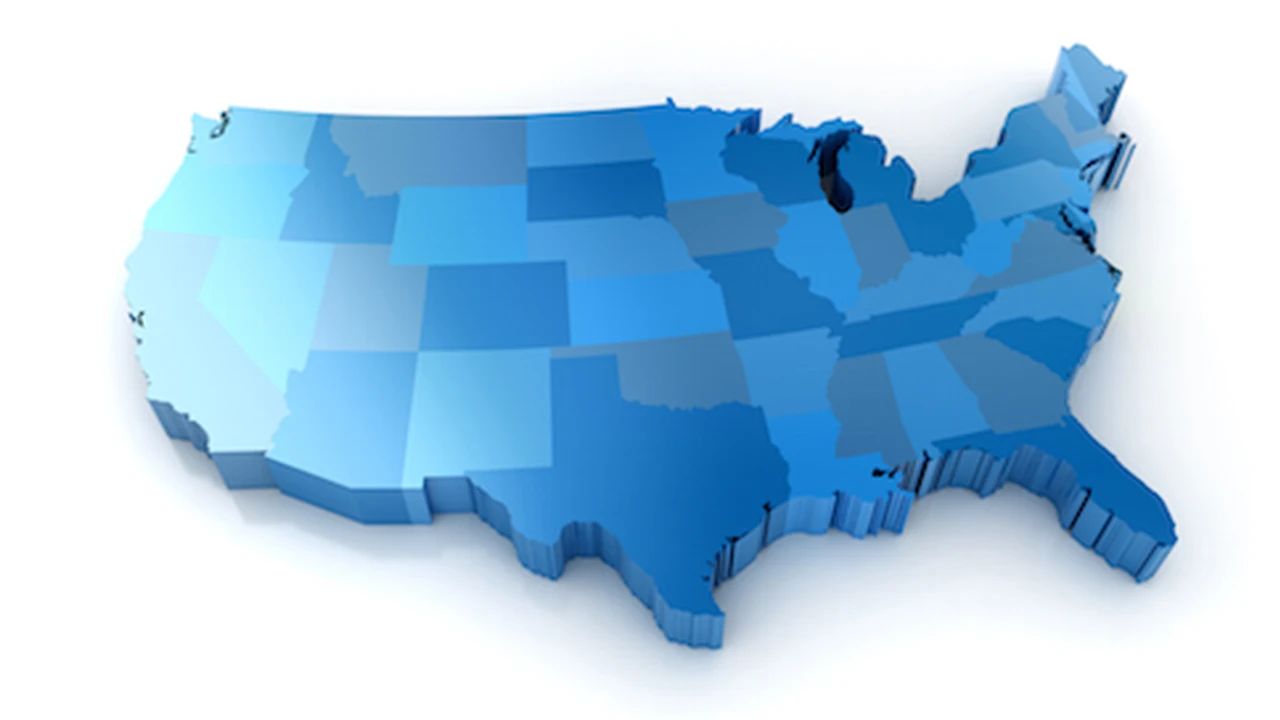
Now, here's the kicker: these minimums vary wildly from state to state. You might be surprised. Some states have incredibly low minimums – we're talking like $10,000 or $20,000 for bodily injury liability per person. Others are much higher. So, knowing your state's minimums is crucial. You can usually find this information on your state's Department of Motor Vehicles (DMV) website. Just Google "[Your State] DMV Car Insurance Requirements" and you'll find it.
Why are these minimums so important? Because if you cause an accident and the damages exceed your coverage limits, you're on the hook for the rest. And trust me, medical bills and car repairs can add up fast. You could be facing lawsuits, wage garnishment, even losing your assets. Not a fun situation.
The Pitfalls of Sticking to State Minimums Understanding the Risks
So, you're thinking, "Hey, state minimums are the cheapest option! I'm saving money!" And yeah, you are saving money on your premium. But you're also taking a huge risk. Let's say you cause an accident and someone gets seriously injured. Their medical bills alone could easily exceed your state's minimum bodily injury liability limit. What happens then? They can sue you for the difference.
Think about it: hospital stays, surgery, physical therapy… it all adds up. And that's just the medical bills. What about lost wages? Pain and suffering? Car repairs? All of that can be included in a lawsuit. If you only have the state minimum coverage, you could be facing a massive financial burden.
Another thing to consider is the other driver's insurance. What if they're uninsured or underinsured? In that case, you're relying on your own Uninsured/Underinsured Motorist (UM/UIM) coverage. And guess what? If you only have the state minimums, your UM/UIM coverage might not be enough either.
The bottom line? Sticking to state minimums is a gamble. You're betting that you'll never cause a serious accident. And that's a risky bet to make.
Adequate Coverage What Does It Really Mean For You
Okay, so state minimums are probably not the best idea. But how much coverage should you have? That's a tough question, and it depends on your individual circumstances. But here are a few things to consider:
- Your assets: How much do you own? Do you have a house? Savings? Investments? The more you have, the more you stand to lose in a lawsuit.
- Your income: How much do you earn? If you have a high income, you're a bigger target for lawsuits.
- Your driving habits: How often do you drive? Where do you drive? The more you're on the road, the higher your risk of an accident.
- Your risk tolerance: How comfortable are you with risk? If you're risk-averse, you'll want more coverage.
As a general rule of thumb, experts recommend carrying at least $100,000 per person and $300,000 per accident for bodily injury liability. You should also have at least $50,000 for property damage liability. And don't forget about UM/UIM coverage! This is crucial for protecting yourself against uninsured or underinsured drivers. Ideally, you should match your UM/UIM coverage to your liability coverage.
It might seem like a lot of coverage, but it's better to be safe than sorry. Think of it this way: car insurance is there to protect you from financial ruin. It's not just about saving money on your premium. It's about protecting your future.
Balancing Savings and Protection Practical Tips for Affordable Coverage
Alright, so you know you need more than state minimums. But how do you get adequate coverage without breaking the bank? Here are a few tips:
- Shop around: Get quotes from multiple insurance companies. Prices can vary significantly.
- Increase your deductible: A higher deductible means a lower premium. Just make sure you can afford to pay the deductible if you have an accident.
- Bundle your insurance: If you have homeowners or renters insurance, bundle it with your auto insurance. You'll usually get a discount.
- Ask about discounts: Many insurance companies offer discounts for things like good driving records, safe vehicles, and being a student.
- Review your coverage regularly: Your needs may change over time. Make sure your coverage still meets your needs.
Don't be afraid to talk to an insurance agent. They can help you assess your needs and find the best coverage for your budget. And remember, it's always better to be over-insured than under-insured.
Product Recommendations and Comparisons Finding the Right Fit
Now, let's get into some specific product recommendations. Keep in mind that the best insurance company for you will depend on your individual circumstances. But here are a few well-regarded companies that offer a variety of coverage options:
Progressive Snapshot Usage Based Insurance
Progressive Snapshot: This is a usage-based insurance program. You install a small device in your car (or use their mobile app) that tracks your driving habits. If you drive safely – avoid hard braking, speeding, and driving late at night – you can earn a significant discount. Pros: Potential for big savings, especially for safe drivers. Cons: Your rates could go up if you drive poorly, data privacy concerns. Typical User: Someone who drives safely and wants to be rewarded for it. Pricing: Discounts vary, but some users have reported saving hundreds of dollars per year.
Allstate Drivewise Rewards For Safe Driving
Allstate Drivewise: Similar to Progressive Snapshot, Allstate Drivewise tracks your driving habits and rewards you for safe driving. However, Drivewise also offers rewards for completing safe driving challenges. Pros: Potential for savings and rewards, gamified approach to safe driving. Cons: Rates could go up if you drive poorly, data privacy concerns. Typical User: Someone who enjoys a gamified approach to saving money and is a generally safe driver. Pricing: Discounts and rewards vary.
State Farm Drive Safe and Save Discount
State Farm Drive Safe & Save: Another usage-based program, State Farm Drive Safe & Save tracks your driving habits and offers discounts for safe driving. One key difference is that State Farm also offers a discount simply for signing up for the program. Pros: Potential for savings, discount just for signing up. Cons: Rates could go up if you drive poorly, data privacy concerns. Typical User: Someone who wants a guaranteed discount just for trying the program. Pricing: Initial discount for signing up, plus potential for further savings based on driving habits.
Comparing the Options
So, how do these programs compare? All three offer the potential for savings based on your driving habits. However, they differ in their approach. Progressive Snapshot is purely data-driven, while Allstate Drivewise incorporates a gamified element. State Farm Drive Safe & Save offers a guaranteed discount just for signing up.
When choosing a usage-based program, consider your driving habits and your comfort level with sharing your data. If you're a consistently safe driver, you're likely to see significant savings with any of these programs. However, if you tend to speed or brake hard, you might want to consider sticking with traditional insurance.
Beyond Liability Other Important Coverage Options
While liability insurance is the most important type of coverage, there are other options you should consider:
- Collision coverage: Covers damage to your car if you collide with another object, regardless of who is at fault.
- Comprehensive coverage: Covers damage to your car from things like theft, vandalism, fire, and natural disasters.
- Uninsured/Underinsured Motorist (UM/UIM) coverage: Protects you if you're hit by an uninsured or underinsured driver.
- Personal Injury Protection (PIP): Covers your medical expenses and lost wages, regardless of who is at fault. (Not available in all states.)
These coverages can provide valuable protection in a variety of situations. Talk to your insurance agent about which coverages are right for you.
The Takeaway Protecting Yourself Without Breaking the Bank
Understanding state minimum car insurance requirements is crucial for protecting yourself financially. While sticking to the minimums might seem like a good way to save money, it could end up costing you much more in the long run. By understanding the risks and shopping around for adequate coverage, you can protect yourself without breaking the bank. Don't be afraid to explore usage-based insurance programs and other discounts. And remember, car insurance is an investment in your future. Choose wisely!
:max_bytes(150000):strip_icc()/277019-baked-pork-chops-with-cream-of-mushroom-soup-DDMFS-beauty-4x3-BG-7505-5762b731cf30447d9cbbbbbf387beafa.jpg)